
True home comfort is not just a thermostat setting. A home is a complex system of interconnected parts. What happens in the crawl space affects bedroom air quality. The state of your roof impacts heating efficiency. Neglecting any part can increase energy bills, degrade air quality, and affect peace of mind. Achieving a comfortable, efficient, and healthy home means viewing it as a whole ecosystem. By systematically auditing and maintaining from the roof to the footings, you can prevent minor inefficiencies from becoming major failures.
Calibrate Your Heating and Cooling Systems Seasonally

A heating and cooling system that is left to run without regular calibration will slowly lose its operational efficiency. Over time, dust coats the sensitive internal coils, electrical connections loosen, and blower motors work twice as hard to move the same volume of air. To prevent this steady decline, homeowners should follow a strict seasonal checklist to prep their systems for the extreme temperatures of summer and winter.
- Change filters monthly during peak seasons: Use filters with a Minimum Efficiency Reporting Value (MERV) rating between 8 and 11. These balance high particulate filtration with healthy airflow, preventing strain on your blower motor.
- Clear the outdoor condenser perimeter: Maintain at least a two-foot clearance around your outdoor unit. Cut back brush, remove fallen leaves, and gently hose down the metal fins to ensure proper heat release.
- Inspect and clean supply registers: Vacuum dust and pet hair from your floor and wall vents. Ensure that furniture, rugs, or drapes are not blocking the return air grilles, which can disrupt the system’s pressure balance.
While a homeowner can easily manage basic filter swaps and clear surface debris, scheduling a professional HVAC service is critical for checking refrigerant levels, testing electrical contacts, and cleaning the blower wheel. Failing to secure timely air conditioning services during peak summer months can lead to a compromised compressor, uneven cooling across different rooms, and a sudden spike in your monthly utility bills.
Track Down and Seal Invisible Energy Leaks
Even the most advanced climate control system cannot keep a home comfortable if conditioned air is constantly escaping through gaps in the building envelope. Air leakage accounts for a significant portion of heating and cooling energy waste in residential properties. Finding these leaks does not require expensive thermal cameras; you can perform a simple physical audit yourself.
- The incense stick draft test: On a windy day, close all windows and turn on your kitchen and bathroom exhaust fans to depressurize the house. Hold a lit incense stick near common draft sites; where the smoke wavers or blows sideways, you have an active air leak.
- Seal exterior wall penetrations: Inspect the areas where utility lines, plumbing pipes, or outdoor faucets enter your home. Use expandable polyurethane foam or heavy-duty outdoor caulk to fill any gaps around these penetrations.
- Apply weatherstripping to exterior doors: Replace worn, flattened foam or vinyl seals along the sides and tops of exterior door frames. Install a durable rubber door sweep along the bottom of each door to block drafts.
Install Multi-Stage Filtration to Protect Your Pipes and Skin
Many municipal water supplies contain trace levels of chlorine, heavy metals, and hard minerals. Well water can introduce sediment, iron, and sulfur into your domestic plumbing. These contaminants do more than just ruin the taste of your drinking water; they deposit hard scale inside your pipes, corroding copper and clogging modern low-flow fixtures.
- Implement a point-of-entry carbon filter: Installing an active carbon block filtration system where the main water line enters your home captures chlorine and organic compounds before they ever reach your faucets.
- Address mineral hardness with water softeners: If your water tests positive for high calcium and magnesium levels, a water softener will swap these minerals for sodium ions, preventing scale buildup in your pipes.
- Protect high-use kitchen lines with reverse osmosis: For drinking and cooking water, a multi-stage reverse osmosis system under the sink removes dissolved solids, fluoride, and heavy metals.
Investing in professional water purification services ensures that your entire plumbing network is protected from abrasive minerals, reducing the wear on your washing machine and dishwasher while keeping your skin hydrated and free of chemical residues.
Establish a Preventative Flush Routine for Critical Appliances

Plumbing appliances are often neglected until they fail completely, resulting in cold showers or flooded utility rooms. Consistently maintaining these systems prevents unexpected breakdowns and preserves strong water pressure throughout your home.
- Perform an annual water heater flush: Over the course of a year, dissolved minerals settle to the bottom of your water heater tank, forming a thick layer of sediment. This layer insulates the water from the heating element, forcing the system to run longer and wear out prematurely.
- Clean faucet aerators regularly: Unscrew the small wire mesh aerators at the tip of your faucets and soak them in warm vinegar for an hour to dissolve mineral crusts that disrupt water flow.
- Rely on mechanical drain clearing methods: Avoid using harsh, corrosive chemical drain cleaners, which can eat through older metal pipes and damage modern plastic lines. Use a simple hand auger or a drain snake to physically remove hair clogs.
When performance drops, hot water runs out quickly, or you hear strange popping sounds from the basement, scheduling a comprehensive water heater service can clear out efficiency-killing mineral scaling and replace a deteriorating anode rod before the tank rusts through.
Safely Clear Away Destructive Organic Growth
Siding and roofing materials are constantly exposed to moisture, wind, and airborne spores. Over time, north-facing walls and shaded roof slopes become prime real estate for algae, moss, mold, and lichen. These organisms do not just affect your home’s appearance; they actively damage the building materials.
- Address roof moss immediately: Moss traps water against asphalt shingles, causing the edges to curl and lift. In cold weather, this trapped water freezes and expands, backing up under the shingles and creating roof leaks.
- Avoid high-pressure washing on soft surfaces: Blasting vinyl siding, wood trim, or roof shingles with intense, high-pressure water can crack the siding, strip away asphalt granules, and force water behind the weather-resistive barrier.
- Utilize gentle chemical soft-washing: Apply an eco-friendly, biodegradable cleaning solution designed to kill organic spores at the root, allowing it to sit before gently rinsing it away with low pressure.
To avoid stripping delicate wood cladding or cracking fragile vinyl panels, hiring professional power washing services is the safest way to deep-clean your home’s exterior surfaces without causing structural damage.
Maximize Natural Light and Solar Heat Gain
Windows are literal glass walls that keep the elements out while letting natural light in. However, dirty window glass can block an astonishing amount of natural light, making your interiors feel gloomy and increasing your reliance on artificial lighting.
- Clean glass pane by pane: Wash your windows with a mixture of warm water and a few drops of dish soap, using a high-quality squeegee to prevent streaks. Wipe the rubber squeegee blade with a clean microfiber cloth after every single pass.
- Clear window tracks and weep holes: Vacuum dirt, dead bugs, and pollen out of the sliding tracks. Ensure the tiny weep holes at the bottom of the window frame are clear so rainwater can drain away instead of pooling and rotting the wooden sill.
- Wash window screens seasonally: Remove screens and scrub them gently with a soft brush and soapy water. Dusty screens act as air filters, blowing accumulated grime directly into your home when you open the windows for fresh air.
Using expert window cleaners twice a year does more than improve the view; these specialists can identify failing window seals, rotted sills, and torn weatherstripping long before they develop into major drafts or water leaks.
Keep Indoor Relative Humidity Below 50 Percent
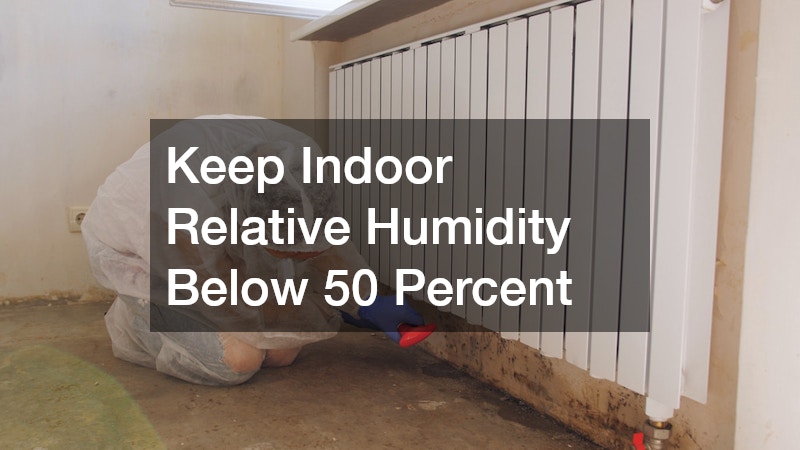
Maintaining balanced indoor humidity is crucial for respiratory comfort and structural preservation. When indoor air is too humid, it feels sticky and heavy, and condensation forms on windows, cold walls, and pipes, creating a perfect habitat for mold and mildew.
- Run exhaust fans during moisture-generating activities: Always run your bathroom fan during and for twenty minutes after a shower. Use your kitchen range hood whenever you are boiling water or cooking.
- Monitor your home with a digital hygrometer: Place a small, inexpensive humidity sensor in damp-prone areas like the basement or crawl space. Aim to keep your indoor humidity levels strictly between 30% and 50%.
- Seal crawl space floors with vapor barriers: Lay down a durable, thick plastic sheeting over exposed dirt in crawl spaces to prevent moisture from evaporating out of the soil and rising up through your floorboards.
If water damage, plumbing leaks, or damp crawl spaces have already caused active mold growth behind your walls, calling a certified mold remediation contractor is necessary to safely isolate, contain, and eliminate the hazard before spores spread through your air ducts.
Clear Main Line Blockages Before They Back Up
Your drainage network relies entirely on gravity and clear pathways to carry waste out of your home. Over time, grease, hair, soap scum, and tree roots can collect inside your drain pipes, gradually narrowing the opening until waste water has nowhere to go but back up into your sinks and tubs.
- Install hair catchers in all showers: Use simple silicone or stainless steel mesh hair traps in every tub and shower drain to catch hair before it can bind with soap scum inside the pipes.
- Never pour fats or oils down the kitchen sink: Cooking grease may be liquid when hot, but it quickly cools and solidifies inside your pipes, catching food scraps and creating rock-hard blockages. Collect grease in an empty can and throw it in the trash.
- Watch for early sewer line warning signs: Pay attention to gurgling toilets, slow-draining tubs, or a distinct sewer smell coming from your basement drains. These indicate a blockage deep in your main line.
A routine visit from a professional drain cleaning service will scour the interior pipe walls using advanced hydro-jetting tools, clearing away accumulated grease and tree roots to restore smooth, worry-free drainage throughout your household.
Maximize Vertical Storage to Reduce Daily Cognitive Clutter
Clutter is more than just an aesthetic issue; it is a major source of stress. Studies show that disorganized, chaotic living spaces elevate cortisol levels, making it difficult to fully relax at home. Streamlining your storage can transform your home into a peaceful, highly functional retreat.
- Perform a thorough spatial edit: Go through your closets, pantry, and garage. Donate, recycle, or discard items that have not been used in the past year to free up valuable storage real estate.
- Take advantage of vertical wall space: Install floor-to-ceiling shelving, wall-mounted pegboards, or floating shelves. Utilizing vertical space keeps items off the floor and makes small rooms feel significantly larger.
- Design dedicated zones for daily items: Create a functional drop zone near your main entryway with hooks for coats, cubbies for shoes, and a small tray for keys and mail to prevent clutter from spreading into living areas.
By partnering with a custom closet company, you can unlock hidden square footage in your home through tailor-made storage systems, pull-out organizers, and smart layouts built around your exact daily routine.
Enhance Key Fixtures for a Spa-Like Daily Routine

The bathroom is one of the most frequently used rooms in the house, serving as both a functional workspace in the morning and a place to wind down at night. Upgrading key fixtures in this space can dramatically improve your daily quality of life.
- Upgrade to a high-efficiency rainfall showerhead: Swap out a basic, high-flow showerhead for a modern model that optimizes water pressure while conserving water, providing a soothing, high-pressure spray.
- Install smart, dimmable lighting: Replace harsh overhead vanity bulbs with warm, dimmable LED fixtures. Adding motion-activated nightlights under the vanity or along the floor path prevents blinding light shocks during late-night visits.
- Replace outdated bathroom vanities: Opt for a vanity that features built-in electrical outlets, deep drawers, and integrated organizers to keep your countertops clear and your morning routine streamlined.
Even if you are not planning a full-scale bathroom remodeling project, swapping out old fixtures, updating the hardware, and refreshing the grout can instantly elevate the comfort, style, and functionality of your bathroom.
Maximizing your home’s comfort involves continuous, small, and intentional improvements across your living space. Treating your home as a system by balancing indoor air quality, maintaining plumbing, preserving the exterior, managing moisture, and organizing spaces protects your financial asset while building a healthier environment. Tackling a list like this can feel overwhelming if attempted all at once. Instead, break tasks into manageable seasonal goals. Take a walk around your property with a notepad, audit your systems, and choose two high-impact tasks to start with. Step by step, transform your home into an efficient, comfortable sanctuary from roof to foundation.