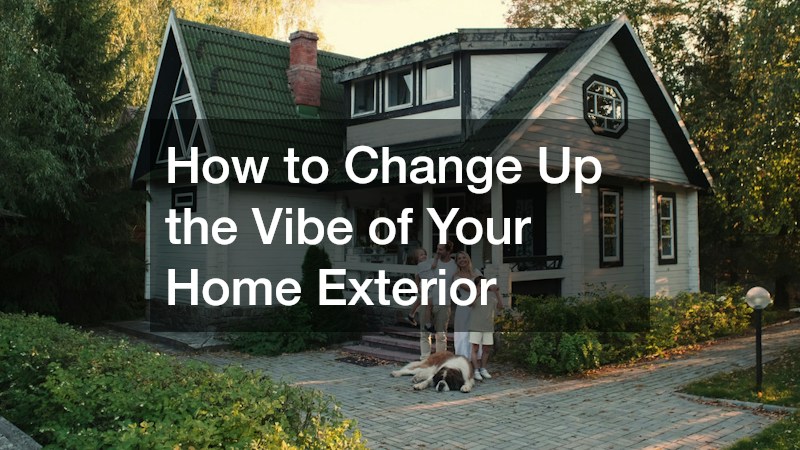
Transforming the curb appeal and general atmosphere of your residence is one of the most rewarding home improvement projects you can undertake. The exterior of your property serves as the primary presentation of your personal style, setting the stage for everything that lies within. Over time, architectural features can begin to feel dated, flora may grow overgrown or sparse, and outdoors spaces can lose the vibrant energy they once possessed. Giving your outdoor area a complete aesthetic refresh does not merely increase property value; it fundamentally changes how you feel every time you arrive back at your own front step.
Achieving a remarkable transformation requires looking at your property through a fresh lens. It involves taking an inventory of structural features, natural elements, and structural materials to see where adjustments can yield the greatest impact. Whether you desire a sleek contemporary motif, a rustic cozy look, or a sprawling botanical sanctuary, thoughtfully planned updates can completely redefine your residence. By implementing strategic enhancements across your front entrance, green spaces, and functional paved zones, you can execute a stunning metamorphosis that brings new life to your surrounding environment.
Enhancing Your Entrance with Architectural Accents
Refresh the Front Door and Surrounding Trim
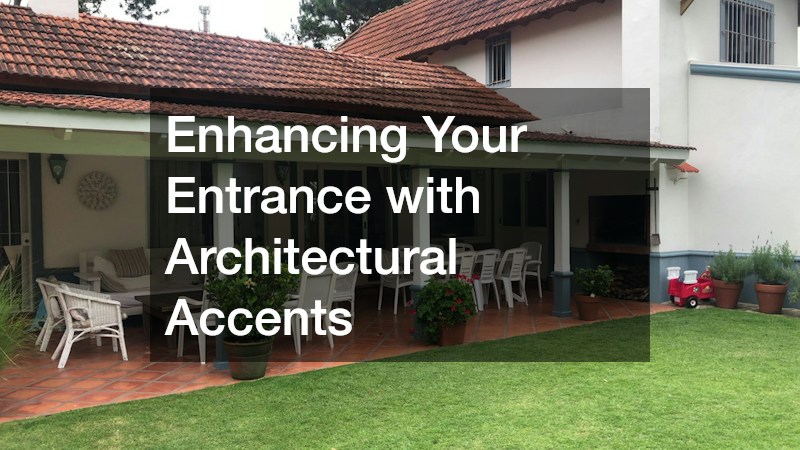
The front doorway serves as the focal point of any residential facade, making it the most impactful location to initiate a style overhaul. Painting your entry door in a bold, contrasting color instantly draws the eye and communicates a sense of personality. Complement this updated focal point by applying a fresh coat of high-durability paint to the surrounding casing, porch columns, and window frames. Swapping out outdated hardware, such as knobs, kickplates, and doorbells, for modern finishes like matte black or brushed brass provides a refined finish.
Integrate Modern Lighting Solutions
Outdated light fixtures can severely anchor a property in the past, whereas sleek modern choices act as luminous accessories. Replace aging sconces with larger, scale-appropriate fixtures that feature clean lines and energy-efficient illumination. Positioning uplights along walkway borders and accent lights beneath overhangs creates depth and intrigue during evening hours. Proper lighting placement highlights architectural features, improves security, and invites guests with a warm, welcoming radiance.
Upgrade House Numbers and Mailboxes
Small details frequently make the biggest impact when modernizing an outdoor space. Removing tired, standard vinyl house numbers and replacing them with modern metallic or floating numerical designs gives an instant modern update. Similarly, choosing a matching freestanding or wall-mounted mailbox unifies your entry aesthetic. Aligning the style and metal finish of these functional elements creates a cohesive, intentionally designed look that anchors the front profile.
Transforming Your Greenspaces and Foliage
Revitalize the Front Yard Presentation
The space leading up to your entry sets the emotional tone for the entire property. Implementing thoughtful front yard landscaping allows you to introduce varied heights, dynamic colors, and rich textures that soften hard structural edges. Incorporating layered planting beds with a combination of evergreen shrubs, perennial flowers, and ornamental grasses ensures year-round visual interest. Grouping plants in odd numbers and varying their leaf structures creates a natural, organic flow that captivates observers from the street.
Optimize Tree Health and Canopy Structure
Large foliage provides essential structure, shade, and maturity to any residential lot, but unmanaged branches can cast gloomy shadows or hide lovely architectural details. Consulting a certified arborist ensures that your mature greenery remains healthy, safe, and visually appealing. These professionals evaluate structural integrity, identify diseased branches, and recommend long-term preservation strategies. Proper canopy care opens up views of your home while allowing crucial sunlight to reach lower-level gardens.
Maintain Balanced Branch Growth
Regular upkeep of upper foliage prevents overcrowding and promotes balanced growth across your whole property. Scheduling routine tree trimming helps remove low-hanging limbs that block sightlines, walkways, or driveways. Clearing away dense inner foliage increases air circulation, reduces storm damage risks, and allows sunlight to filter through to lower grass levels. This selective removal process sculpts the trees into elegant shapes that complement your home rather than overpowering it.
Handle Large Scale Foliage Adjustments
Sometimes, a tree is simply too large, dead, or ill-positioned to remain safely on the property. In these scenarios, utilizing professional tree services is essential for safely dismantling large specimens without damaging surrounding structures. Removing problematic trees can suddenly open up massive amounts of space, dramatically altering sunlight patterns and providing a blank slate for new garden features. Professional crews handle complex lowering techniques, stump grinding, and complete site cleanup efficiently.
Safely Clear Unwanted or Hazardous Trees
When a decaying or precarious trunk poses a structural risk to your home, immediate action is necessary to protect your investment. Hiring expert local tree removal specialists ensures that hazardous timber is safely extracted using proper rigging and safety protocols. Once the space is cleared and the root system is ground down, you gain valuable real estate to plant fresh garden beds, extend lawn areas, or install structural features that better fit your current vision.
Elevating the Layout of Your Outdoor Living Spaces
Redesign the Rear Gathering Area
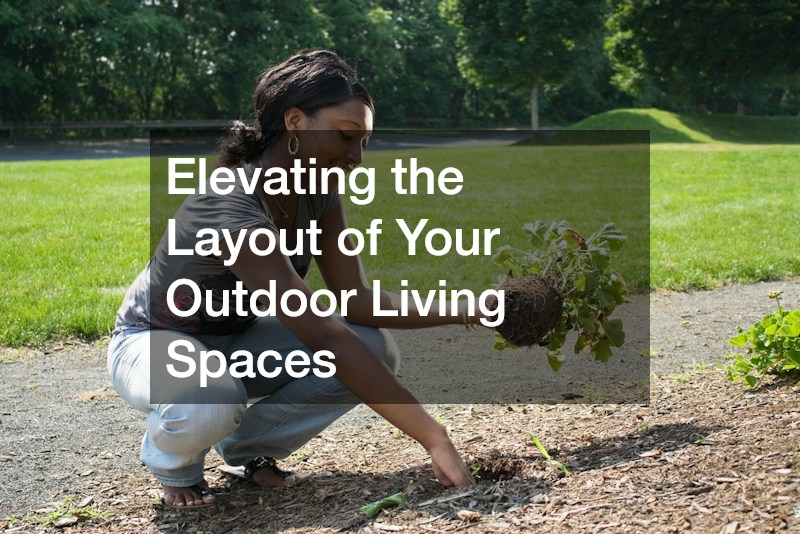
Your rear outdoor area should function as an seamless extension of your interior living space, offering privacy and relaxation. Reimagining your backyard landscape involves defining specific activity zones for cooking, lounging, and dining. Introduce cozy fire features, timber pergolas, or water elements to establish clear destinations within the yard. Enclosing the perimeter with lush screening hedges or modern horizontal fencing turns an ordinary yard into a private, resort-inspired retreat.
Revitalize the Lawn with Professional Care
A vibrant, dense green lawn acts as the living carpet that binds all your outdoor design elements together. Enlisting specialized lawn services helps address soil compaction, weed invasion, nutrient deficiencies, and patchy growth. Regular core aeration, overseeding, and tailored fertilization regimens turn struggling turf into a lush, resilient lawn. A healthy, neatly edged lawn provides a striking color contrast against garden beds, stone walkways, and exterior house walls.
Enlist Professional Support for Structural Gardens
Executing complex outdoor revisions often requires specialized machinery, material sourcing, and technical horticulture knowledge. Partnering with skilled local landscaping contractors allows you to translate ambitious design concepts into durable real-world features. These experts handle soil preparation, drainage management, retaining wall construction, and precise plants based on regional climate nuances. Their technical proficiency ensures that your new outdoor investment thrives through changing seasons.
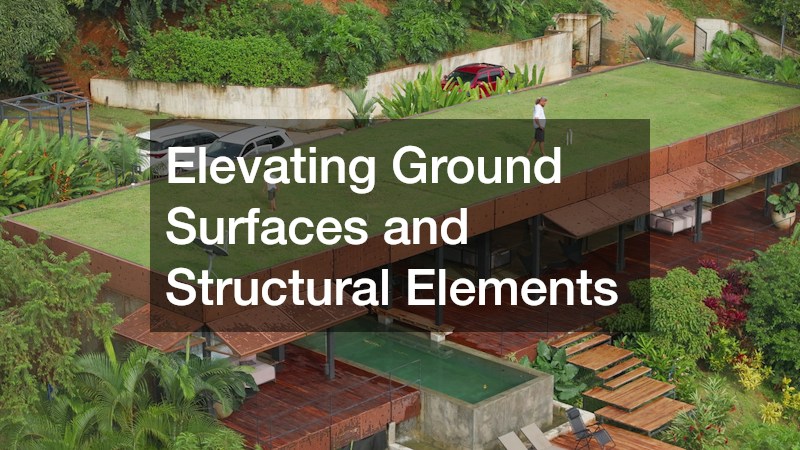
Elevating Ground Surfaces and Structural Elements
Upgrade Walkways and Patio Surfaces
Ground surfaces bear the weight of heavy foot traffic and constant weather exposure, making them prime candidates for visual degradation over time. Relying on experienced hardscaping contractors allows you to swap out cracked asphalt or plain poured concrete for luxurious stone surfaces. These builders construct durable patios, retaining walls, seating ledges, and outdoor kitchen bases using high-grade materials. Structural masonry adds permanent definition, fixes elevation challenges, and brings high-end elegance to your terrain.
Install Stylish Stone and Interlocking Block Paths
The materials beneath your feet heavily dictate the luxury level of your property. Working with skilled paver installers ensures that paths, driveways, and patio floors are built on solid, well-drained foundations. Interlocking concrete blocks, natural slate, or clay brick offer rich textures and intricate patterns like herringbone or running bond. Professional placement prevents future shifting, weed emergence, and standing water, yielding a sophisticated ground surface that lasts for decades.
Incorporate Decorative Gravel and Edging
For areas where traditional paving might feel too dense, decorative stone and gravel offer dynamic, budget-friendly design options. Laying down crushed slate, river rock, or pea gravel creates permeable paths and low-maintenance ground cover around garden beds. Framing these gravel zones with sharp steel, natural stone, or dark composite edging keeps materials contained and produces crisp geometric lines. The contrasting colors of aggregate stone add texture and visual depth to quiet yard corners.
Refining Color Schemes and Exterior Surfaces
Choose a Cohesive Exterior Palette
Color dictates visual mood more powerfully than almost any other design variable. When updating siding, brickwork, or stucco, choose a primary shade that harmonizes with your natural surroundings. Contemporary trends favor warm neutrals, moody charcoal shades, soft creamy whites, and rich sage greens. Apply secondary accent colors to shutters, gables, and trim to highlight architectural details. Limiting your palette to three main shades ensures a sophisticated, uncluttered look.
Wash and Restore Existing Surfaces
Before committing to expensive painting projects, consider deep cleaning your existing exterior cladding. Professional pressure washing removes years of accumulated grime, mildew, oxidation, and dirt buildup from siding, masonry, and stone. Concrete driveways and wooden decks undergo remarkable transformations after a thorough deep wash. Restoring original surfaces frequently reveals vibrant underlying colors and restores a crisp, fresh appearance with minimal monetary expenditure.
Stain or Paint Masonry Elements
If your home features outdated brick, stone, or concrete foundations, specialized coatings offer an immediate aesthetic evolution. Applying mineral-based masonry stains allows natural stone to breathe while shifting orange or yellow tones to contemporary mineral shades. Painting dark foundation walls or brick chimneys in modern neutrals instantly unifies disparate architectural additions. This technique bridges old and new construction elements into one seamless design statement.
Creating Comfortable Outdoor Living Environments
Construct Defined Seating Areas
An inviting outdoor space must offer comfortable locations to rest, converse, and entertain guests. Establish distinct seating zones by positioning weather-resistant furniture on key patio areas or raised timber decks. Incorporate deep-seated sofas, plush cushions, and exterior throw rugs to replicate interior comfort out in the open air. Grouping seating around central elements like coffee tables or fire pits encourages social gathering and extends usability into cooler weather.
Integrate Privacy Structures
Enjoying your outdoor sanctuary fully often requires shielding the space from neighboring views and bustling streets. Installing decorative wooden lattice, horizontal slat screens, or laser-cut metal panels provides immediate privacy without blocking light or breeze. Training flowering vines like clematis, wisteria, or climbing roses up these structures creates a living wall of greenery and fragrance. Privacy elements define distinct boundaries and enhance the intimate feel of your outdoor rooms.
Add Weather Protection and Shade Features
Unforgiving sun exposure or sudden rain showers can quickly ruin outdoor plans if protective structures are absent. Installing retractable awnings, large cantilever umbrellas, or permanent timber pavilions guarantees comfort regardless of weather conditions. Covered structures allow you to include outdoor televisions, ceiling fans, and overhead heaters, turning open-air spaces into year-round functional extensions of your indoor living environment.
Illuminating the Landscape and Architecture
Implement Low-Voltage Landscape Lighting
Illumination should never be an afterthought when revitalizing your property’s exterior identity. Installing a low-voltage LED system along garden paths, flower borders, and step risers ensures safe navigation after sunset. Soft, warm lighting casts subtle glows across ground textures and plant foliage, adding dramatic contrast that daytime sunlight cannot replicate. Energy-efficient low-voltage systems run economically while significantly enhancing night-time curb appeal.
Highlight Vertical Features with Uplighting
Drawing attention to tall elements creates a striking sense of drama and scale across your property after dark. Aiming adjustable spotlights upward at stone pillars, archways, or mature tree trunks highlights unique surface textures and silhouettes. Silhouette lighting placed behind focal plants projects intricate shadow patterns onto blank exterior walls. This layered lighting approach transforms flat night-time landscapes into multidimensional outdoor galleries.
Hang Ambient String Lights and Lanterns
For informal entertaining zones like dining patios or outdoor fire lounges, ambient lighting offers a relaxed atmosphere. Overhead bistro string lights suspended between timber posts or trees inject a festive, warm glow across gathering areas. Incorporating solar-powered lanterns or flame-effect torches along patio borders provides gentle focal points. These soft light sources create an inviting setting for late-night conversations under the open sky.
Adding Water Features and Natural Accents
Install a Focal Point Water Feature
The gentle sound of cascading water instantly alters the acoustic atmosphere of an outdoor space, masking neighborhood noise and promoting relaxation. Installing a self-contained fountain, a basalt stone column, or a small disappearing waterfall creates a captivating visual anchor. Position the water feature where it can be seen from interior windows as well as primary outdoor seating areas, ensuring year-round enjoyment of its soothing movement and reflective qualities.
Incorporate Native Rock and Boulder Formations
Integrating natural stone elements grounds your landscape within its native environment while adding permanent structural interest. Strategically placing large weathered boulders among planting beds creates natural contrast against soft foliage and colorful flowers. Arranging smaller river rocks into dry creek beds provides both functional drainage solutions and artistic texture. Natural stone features require zero maintenance while adding timeless, organic character to your yard layout.
Introduce Container Gardens and Planters
Potted plants offer flexible styling opportunities for entryways, patio edges, and wooden decks. Choose large, substantial planters made from terracotta, glazed ceramic, or lightweight concrete to avoid visual clutter. Follow the classic design formula of combining tall central plants, bushy filler foliage, and trailing vines within each container. Swapping out seasonal flowers keeps your entry presentation dynamic and colorful from spring through late autumn.
Optimizing Drainage and Functional Utilities
Upgrade Gutters and Downspouts
Functional utility elements heavily influence the visual clean lines of your residence. Replacing worn, sagging seamless gutters with modern copper, dark bronze, or painted aluminum channels improves stormwater management while adding sleek architectural trim. Directing downspouts into subterranean drainage pipes or rain gardens prevents water damage to foundations while keeping open areas free from unsightly flexible plastic hoses.
Conceal Utility Equipment Elegantly
Air conditioning units, trash receptacles, electrical meters, and pool pumps disrupt the visual harmony of an otherwise beautiful space. Building custom wooden enclosures or installing decorative privacy screens easily hides these utilitarian fixtures from view. Ensure screens feature adequate ventilation and access doors for maintenance technicians. Masking functional equipment maintains unbroken visual lines across your home’s exterior profile.
Improve Site Drainage Artfully
Standing water and soggy turf ruin the utility of outdoor spaces while damaging plant root systems. Designing subtle swales, installing French drains, or creating gravel infiltration basins manages excess rainwater effectively. Plant moisture-loving species like irises, ferns, and dogwoods in low-lying rain gardens to absorb runoff naturally. Artfully managing water flow keeps your grounds usable, healthy, and visually pristine throughout heavy rain seasons.
A complete transformation of your property’s exterior aesthetic is achieved through a thoughtful combination of structural maintenance, artistic landscaping, quality surface installation, and atmospheric lighting. By systematically reviewing each component of your facade, entry pathways, living zones, and plant collections, you can craft a cohesive vision that reflects your personal taste. These physical upgrades enhance daily functional comfort while projecting a proud, welcoming image to the surrounding neighborhood. Taking the time to execute these structural and organic refinements ensures your home remains a captivating sanctuary for years to come.