Home improvement projects have a reputation for draining bank accounts quickly. One small upgrade turns into a larger repair, unexpected problems appear behind walls or beneath flooring, and suddenly, a “simple” project costs far more than expected. That reality causes many homeowners to delay repairs and improvements for years, even when they know changes are needed.
The good news is that meaningful upgrades do not always require massive remodeling budgets. In many cases, the smartest home improvements are the ones that prevent future damage, reduce monthly costs, improve comfort, and extend the lifespan of existing systems. A homeowner who invests carefully in maintenance and targeted improvements often spends far less over time than someone who ignores small warning signs until major failures occur.
The key is understanding where modest investments can deliver lasting results. Some projects protect the structural integrity of the home. Others improve efficiency, reduce maintenance costs, or make everyday living more comfortable. When approached thoughtfully, even small upgrades can create noticeable improvements throughout the property.
Strengthening the Home Before Tackling Cosmetic Changes
Recognizing Problems Early Saves Thousands Later
Many homeowners naturally focus on visible improvements first. Fresh paint, updated fixtures, and modern décor create immediate visual impact. However, experienced contractors often point out that the most valuable improvements are usually the ones no guest ever notices.
Structural issues, moisture intrusion, and hidden plumbing damage can quietly worsen for years before becoming obvious. By the time visible symptoms appear, repair costs may have increased dramatically.
One example is uneven flooring. A slight slope in an older home may seem harmless initially, but gradual shifting can signal foundation instability. Cracks around door frames, windows that stick during humid weather, and gaps between walls and ceilings can all point toward movement beneath the structure. Addressing these issues early through professional house leveling can help prevent more extensive structural repairs later.
Homeowners sometimes hesitate because foundation-related work sounds expensive. Yet delaying repairs often creates larger complications. Cabinets may pull away from walls, flooring can warp, and plumbing lines may experience additional stress. Taking action early usually reduces the scope of future repairs.
Watching for Hidden Moisture Problems
Water damage rarely announces itself dramatically at first. It often begins quietly beneath flooring, inside walls, or under concrete slabs. A faint mildew odor or a slightly higher water bill may be the only clues.
Consider a homeowner who notices warm spots on the floor near the kitchen but assumes it is harmless. Months later, the flooring begins separating, moisture appears along baseboards, and mold growth develops beneath cabinets. What started as a small plumbing issue becomes a major restoration project.
This is why prompt slab leak repairs matter so much for budget-conscious homeowners. Even minor underground leaks can gradually weaken flooring materials and contribute to foundation instability. Addressing leaks early protects both the structure and indoor air quality.
A practical approach includes:
- Monitoring water bills for unexplained increases
- Listening for running water sounds when fixtures are off
- Checking for soft flooring or damp carpeting
- Watching for cracks developing near plumbing areas
Small observations often prevent enormous expenses later.
Improving Energy Efficiency Through Practical Upgrades
Reducing Waste Without Major Remodeling
Energy efficiency improvements do not always require replacing entire systems or investing in expensive technology. Some of the most effective upgrades are surprisingly simple.
Drafty doors, aging insulation, and unsealed windows force heating and cooling systems to work harder year-round. Homeowners sometimes overlook how much money escapes through tiny gaps around the home. During summer, cooled air leaks outside while warm air enters. During winter, the opposite occurs.
Simple improvements can make a noticeable difference:
- Install weatherstripping around doors
- Seal gaps near windows and vents
- Add attic insulation where needed
- Use thermal curtains in high-sunlight rooms
- Replace damaged caulking around exterior openings
These relatively inexpensive upgrades often improve indoor comfort immediately while lowering monthly utility costs.
Lighting also deserves attention. Replacing older bulbs with LED alternatives reduces energy use and maintenance frequency. Similarly, installing programmable thermostats helps homeowners control temperatures more efficiently throughout the day.
Maintaining Heating and Cooling Systems Consistently
Many people only think about HVAC systems when something stops working. Unfortunately, waiting for a total breakdown usually results in higher repair costs and uncomfortable living conditions during extreme weather.
Routine maintenance plays a major role in keeping systems efficient. Dirty filters, clogged coils, and neglected components force equipment to consume more energy while shortening its lifespan.
In warmer regions, especially, neglected systems struggle under constant demand. Homeowners may notice inconsistent temperatures, unusual noises, or rising utility bills long before complete failure occurs. Scheduling heat pump repair promptly can restore efficiency and prevent larger mechanical problems.
One homeowner might postpone servicing because the unit still technically functions. However, operating an inefficient system for months can significantly increase energy expenses. In many cases, preventative repairs cost far less than emergency replacements.
Maintenance habits that help extend system life include:
- Replacing air filters regularly
- Keeping outdoor units free from debris
- Scheduling seasonal inspections
- Cleaning vents and registers
- Monitoring unusual performance changes
These small efforts collectively reduce strain on the system and improve long-term reliability.
Protecting Exterior Surfaces From Gradual Deterioration
Preventing Small Roofing Issues From Escalating
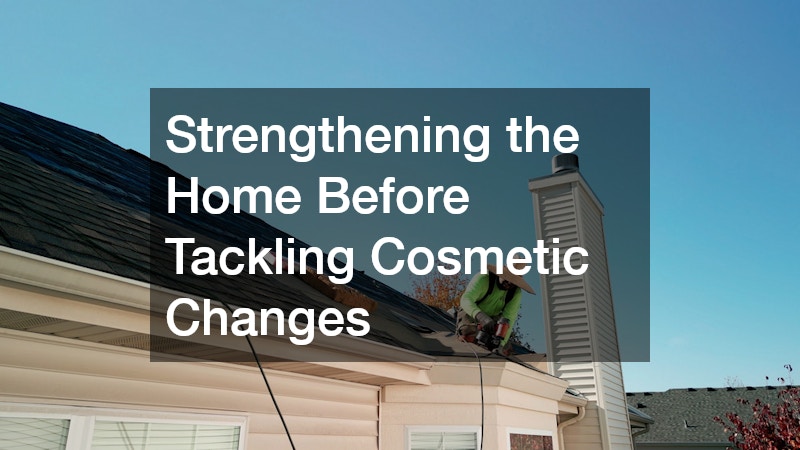
Roof damage often develops slowly. Missing shingles, clogged gutters, or minor flashing issues may not create immediate leaks, but they allow moisture to accumulate over time.
A homeowner may ignore a small stain in the attic for months because it seems insignificant. Then a heavy storm arrives, exposing weakened areas and allowing widespread water intrusion. Suddenly, insulation, drywall, and electrical systems may all require repairs.
Routine inspections help identify vulnerable areas before damage spreads. Even homeowners who feel comfortable performing visual checks from the ground should still consider periodic professional evaluations.
Consistent roof maintenance service helps extend the lifespan of roofing materials while reducing the likelihood of emergency repairs. Professionals can identify early warning signs that homeowners might miss entirely.
Preventative care typically includes:
- Cleaning gutters and downspouts
- Inspecting flashing around vents and chimneys
- Replacing damaged shingles promptly
- Checking attic ventilation
- Removing debris accumulation
These tasks may not feel exciting, but they directly protect the entire home.
Repairing Pavement Before Damage Expands
Driveways and paved surfaces endure constant exposure to weather, vehicle weight, and moisture. Small cracks may initially appear cosmetic, but they often allow water to penetrate beneath the surface.
Once moisture enters and temperatures fluctuate, cracks widen rapidly. What could have been a minor repair becomes a much larger resurfacing project.
Timely asphalt crack repair helps preserve both appearance and durability. Sealing cracks early prevents further expansion while improving curb appeal at a relatively low cost.
Homeowners often underestimate how much worn pavement affects the overall appearance of a property. Clean, maintained surfaces create a more cared-for impression even without major landscaping upgrades.
In addition, addressing cracks promptly reduces tripping hazards and helps protect vehicles from unnecessary wear.
Modernizing Garage Spaces for Better Functionality
Improving Everyday Convenience
Garages frequently become overlooked storage zones filled with tools, boxes, and seasonal clutter. Yet the garage is often one of the most frequently used entry points in the home.
Older systems may operate noisily, struggle during temperature changes, or lack modern safety features. Homeowners sometimes tolerate these inconveniences for years because gradual deterioration feels manageable.
However, an aging garage door can impact more than convenience. Poor insulation allows outside temperatures to affect nearby rooms, while worn mechanisms increase the risk of malfunctions.
Modern upgrades may include quieter openers, smart access systems, insulated panels, and improved safety sensors. These changes enhance daily usability without requiring a full garage remodel.
For homeowners planning incremental upgrades, evaluating the condition of the garage door is often a practical starting point.
Choosing Long-Term Reliability Over Quick Fixes
Some homeowners repeatedly repair aging systems rather than replacing them strategically. While repairs occasionally make sense, constantly patching failing components may become more expensive over time.
This becomes especially relevant when doors sag, tracks warp, or insulation deteriorates significantly. At a certain point, replacement provides better value than temporary fixes.
Professional garage door installation improves reliability while increasing energy efficiency and security. Newer materials often require less maintenance and withstand weather exposure more effectively.
When comparing options, homeowners should consider:
- Insulation ratings
- Material durability
- Noise levels
- Maintenance requirements
- Warranty coverage
A carefully selected upgrade can improve functionality for many years without excessive upkeep.
Refreshing Outdoor Areas Without Major Landscaping Costs

Restoring Existing Surfaces Instead of Replacing Them
Outdoor living areas naturally accumulate dirt, algae, stains, and discoloration over time. Patios and walkways that once looked attractive may gradually appear neglected, even when structurally sound.
Many homeowners assume replacement is necessary when surfaces lose their appearance. In reality, restoration is often far more affordable and surprisingly effective.
A thorough paver cleaning can dramatically improve patios, walkways, pool decks, and outdoor gathering spaces. Removing buildup restores color and texture while improving overall curb appeal.
This type of improvement offers immediate visual impact without requiring extensive construction. For homeowners preparing to sell, refreshed outdoor surfaces can also improve first impressions significantly.
Regular maintenance helps prevent deeper staining and surface deterioration as well.
Reducing Water Waste Outdoors
Landscaping can quietly become one of the largest sources of water waste around a home. Damaged irrigation lines, broken sprinkler heads, and hidden underground leaks often go unnoticed for long periods.
Homeowners sometimes assume higher water bills result solely from seasonal changes. Yet inefficient irrigation systems frequently waste substantial amounts of water daily.
Signs of irrigation problems may include:
- Soggy lawn areas
- Uneven grass growth
- Water pooling near sidewalks
- Sprinkler heads are spraying incorrectly
- Sudden spikes in utility costs
Prompt lawn sprinkler repairs help homeowners conserve water while maintaining healthier landscaping. Even relatively minor adjustments can improve coverage efficiency and reduce waste.
Smarter watering schedules also contribute to savings. Watering early in the morning reduces evaporation and allows moisture to reach root systems more effectively.
Enhancing Interior Comfort Through Practical Repairs
Addressing Window Problems Early
Windows influence far more than aesthetics. They affect insulation, indoor comfort, noise reduction, and security throughout the home.
A small crack or damaged seal may initially seem insignificant. However, compromised windows often allow drafts, moisture intrusion, and temperature fluctuations that gradually increase energy costs.
Homeowners sometimes notice certain rooms feeling consistently warmer or colder than others. In many cases, aging or damaged windows contribute heavily to these inconsistencies.
Timely window repair helps preserve efficiency while preventing minor issues from worsening. Repairing damaged seals or cracked panes is often substantially less expensive than complete replacement.
Practical maintenance also improves longevity. Cleaning tracks, inspecting caulking, and monitoring condensation buildup can reveal developing problems before they expand.
Using Light Strategically to Improve Living Spaces
Natural light changes how a home feels. Bright rooms appear larger, cleaner, and more welcoming, even without expensive remodeling work.
Fortunately, improving lighting does not always require structural changes. Small adjustments can create dramatic differences.
Homeowners can maximize natural light by:
- Using lighter paint colors
- Hanging mirrors strategically
- Trimming landscaping near windows
- Replacing heavy curtains with lighter fabrics
- Keeping glass surfaces clean
These relatively simple changes improve the atmosphere while reducing daytime electricity usage.
One family might discover that a previously dark dining area becomes one of the most enjoyable spaces in the home simply by adjusting window treatments and improving light reflection. Thoughtful updates often create surprisingly meaningful results.
Planning Improvements With a Realistic Financial Strategy

Prioritizing Projects That Deliver Lasting Value
Budget-friendly renovation planning requires discipline. It is easy to become distracted by trendy upgrades while ignoring projects that truly improve long-term value.
Experienced homeowners often learn that the best investments are not always the most visually dramatic. Preventative maintenance, efficiency upgrades, and structural protection typically deliver stronger returns over time.
When evaluating projects, it helps to ask several questions:
- Will this reduce future repair costs?
- Does this improve efficiency or safety?
- How long will the improvement last?
- Is the current issue likely to worsen?
- Will the upgrade improve daily comfort?
Answering these questions honestly helps homeowners allocate funds more effectively.
For example, resealing pavement or repairing plumbing may not feel exciting compared to kitchen upgrades, but those preventative improvements often protect the property more significantly.
Avoiding Common Budgeting Mistakes
One of the biggest renovation mistakes homeowners make is underestimating hidden costs. Even modest projects can uncover unexpected issues once work begins.
Older homes, especially, may contain outdated wiring, water damage, or structural deterioration concealed behind finished surfaces. Smart budgeting includes contingency funds whenever possible.
Another common mistake involves selecting the cheapest materials available. Extremely low-cost products may fail faster, require more maintenance, or create additional labor expenses later.
A more balanced approach focuses on long-term value rather than initial price alone.
Homeowners should also avoid starting too many projects simultaneously. Incomplete renovations create stress, clutter, and financial pressure. Completing improvements gradually often produces better outcomes both financially and emotionally.
Getting multiple estimates remains important as well. Contractors may recommend different approaches, materials, or timelines that significantly affect overall costs.
Creating a Home That Functions Better Over Time
A well-maintained home rarely happens by accident. It develops through steady attention, practical decision-making, and a willingness to address small problems before they become overwhelming.
Budget-friendly improvements are not about cutting corners or avoiding investment altogether. They are about spending intentionally. A homeowner who focuses on durability, efficiency, and preventative care often enjoys fewer emergencies, lower long-term costs, and a more comfortable living environment.
Not every project needs to happen immediately. Some improvements may wait until the next season or the following year. What matters most is building a realistic plan that prioritizes the areas with the greatest impact.
Small upgrades accumulate over time. A repaired driveway, improved insulation, restored outdoor surfaces, or updated garage system may each seem modest individually. Together, however, they create a home that feels safer, more efficient, and easier to maintain.
Thoughtful improvements also provide peace of mind. Instead of constantly reacting to unexpected problems, homeowners gain confidence knowing their property is being cared for strategically.
In the end, the most successful home upgrades are rarely the flashiest ones. They are the improvements that quietly protect the home, reduce stress, and make everyday life a little easier year after year.