Key Takeaways
- The front of your home is the first thing buyers, guests, and neighbors judge, and small visual upgrades often return more than they cost
- Plants are the fastest, cheapest way to add color, texture, and softness to a hard-edged exterior
- Architectural details like shutters, house numbers, lighting, and trim create instant character without major renovation
- Symmetry and repetition make a yard look intentional and professionally designed, even when you spent very little
- Maintenance matters as much as new additions — a clean, trimmed, tidy exterior beats a cluttered one with expensive features
- Mature trees and thoughtful landscaping can meaningfully raise a property’s resale value over time
- You can transform the look of your entryway in a single weekend with a focused plan and under a few hundred dollars
Why the Front of Your Home Matters More Than You Think
The outside of your house is doing a lot of silent work. It greets your guests before you do, it tells the mail carrier something about who lives there, and it quietly sets the tone for how people feel when they walk inside. Most of us barely notice our own exteriors because we see them every day — but a stranger forms an opinion in about six seconds.
That first impression has real financial weight too. According to the National Association of Realtors, nearly all agents say an attractive exterior helps attract serious buyers, and exterior improvements can deliver a return on investment somewhere in the range of 238 percent. That is not a small number. Even if you have zero plans to sell, the same logic applies to how much you enjoy coming home each day.
The good news is you do not need a landscaper, a contractor, or a five-figure budget to shift that first impression dramatically. Plants and small architectural tweaks do most of the heavy lifting, and both are beginner-friendly if you start with the basics.
What Curb Appeal Actually Means (And What It Doesn’t)
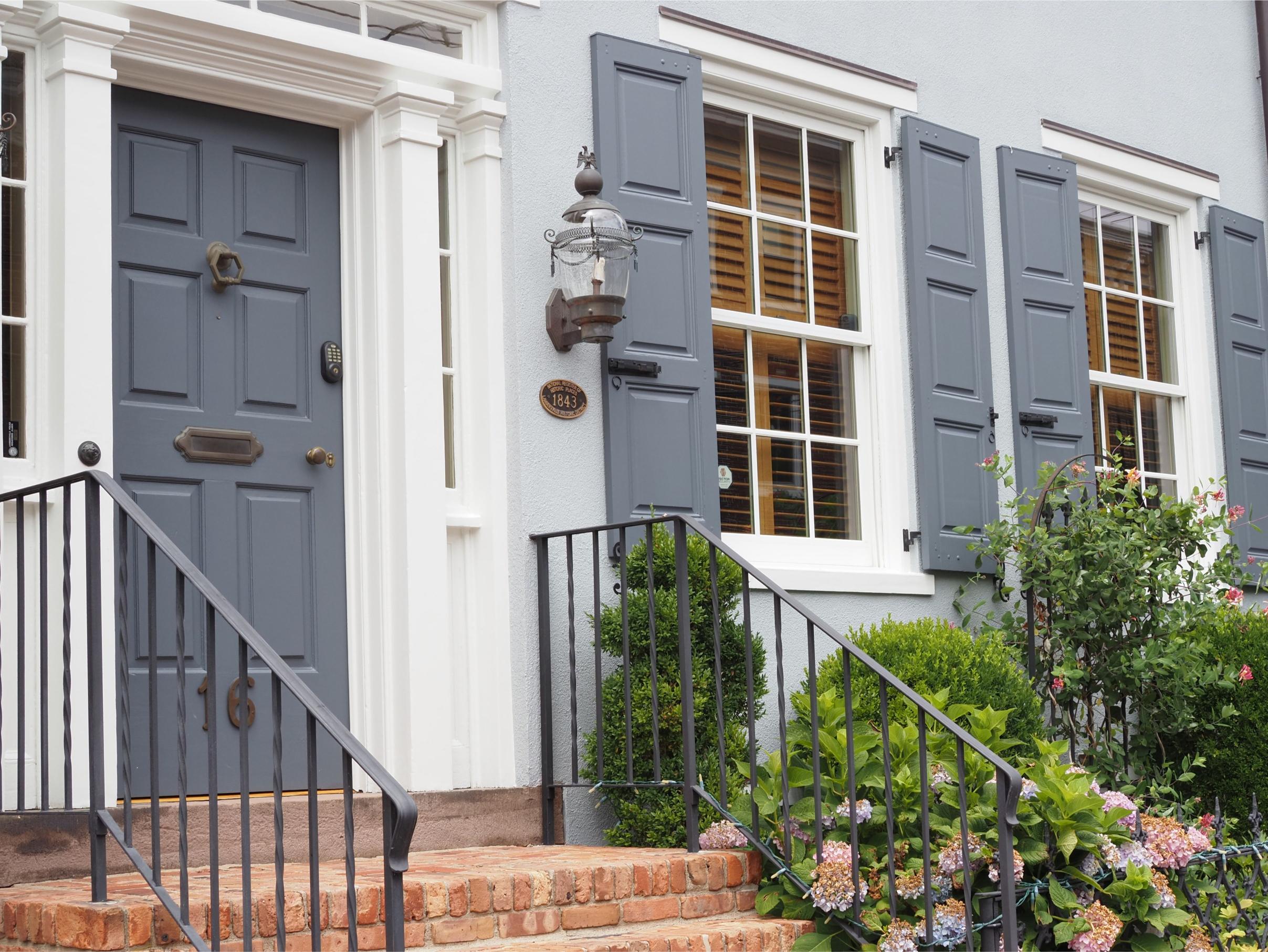
Before we spend a single dollar, let’s define the term. Curb appeal is simply how attractive your home looks when someone stands at the curb and looks at it. That’s it. It is not about having the fanciest house on the block or copying a magazine spread. It is about looking cared for, intentional, and welcoming.
A lot of beginners assume that improving the exterior means replacing siding, repainting the whole house, or tearing out the lawn. Those are big-ticket projects, and they are rarely necessary. The real wins come from smaller things — a tidy walkway, a pop of green by the door, a clean mailbox, a porch light that actually works.
Here is what matters most to a casual observer looking at your home:
- Cleanliness of the exterior surfaces and windows
- Condition of the paint, trim, and front door
- Neatness of the lawn, beds, and walkway edges
- Presence of greenery, flowers, or seasonal color
- Working lights and visible, readable house numbers
If those five things are handled, you are already ahead of most homes on your street.
Starting With Plants: The Cheapest Visual Upgrade
Plants are the single best investment for a small budget because they grow. You spend five dollars on a perennial today, and in two years it has tripled in size. Nothing else in home improvement gives you that kind of compound return.
If you have never gardened before, start simple. You do not need a plan drawn to scale or a soil test kit. Walk outside, look at where your eye lands first when you approach the house, and plant something there. That spot is usually right next to the front door, along the walkway, or in a bare patch of mulch under a window.
Easy Plants for Total Beginners
Some plants are nearly impossible to kill, which is exactly what you want when you are new. Boxwoods stay neat with minimal shaping. Lavender smells incredible and loves sun. Hostas thrive in shade where nothing else grows. Ornamental grasses add movement and need almost no attention once established.
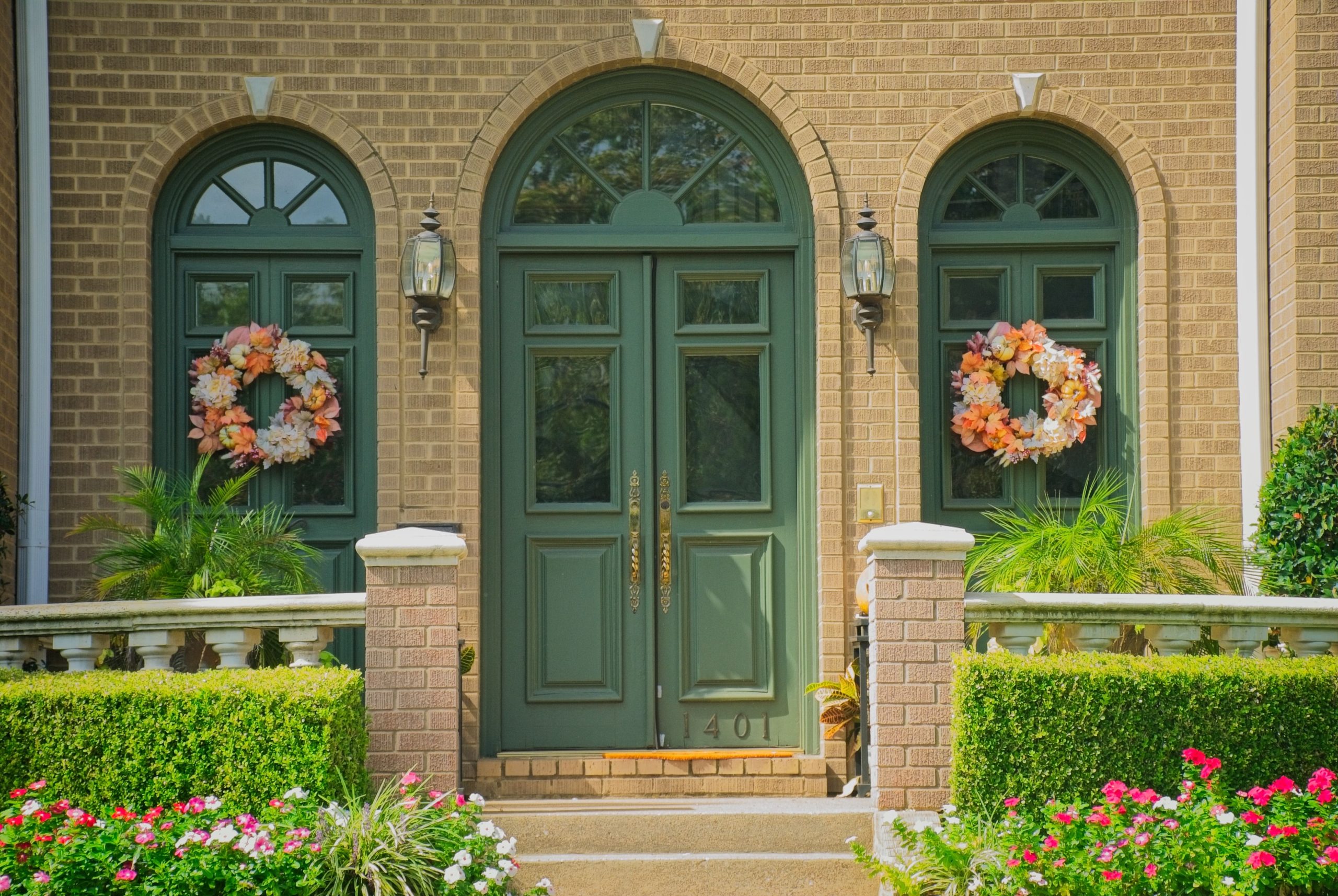
Container plants are another forgiving entry point. A pair of matching pots flanking your front door, filled with something tall in the middle and something trailing over the edge, looks polished without any landscaping skill. Swap the contents seasonally if you want, or stick with one hardy evergreen year-round.
The long game matters here too. According to the Council of Tree and Landscaping Appraisers, a single mature tree can add between $1,000 and $10,000 to a property’s value. Planting a small tree now is a gift to your future self.
How to Improve Curb Appeal on a Small Budget With Architectural Details
Plants handle the soft side of your exterior. Architectural details handle the structure — the lines, the edges, the fixtures your eye lingers on. These are the quick swaps that make a house look updated without any real construction.
Think about what’s already there and ask if it is pulling its weight. Your house numbers might be faded brass from 1998. Your porch light might be a basic builder-grade dome. Your front door might be the exact beige it was the day you moved in. Each of these is a one-afternoon fix.
Here are the architectural tweaks that give you the most visible change for the least money:
- Repainting the front door in a bold, intentional color
- Swapping out house numbers for larger, modern ones
- Replacing the porch light fixture with something with more character
- Adding or repainting window shutters
- Installing a new mailbox or giving the existing one a coat of paint
- Upgrading the kick plate and door hardware
None of these projects require special skills. If you can use a screwdriver and follow a YouTube tutorial, you can knock out three of them in a Saturday. When people wonder how to improve curb appeal on a budget without hiring anyone, this is almost always where the answer starts.
Designing With Symmetry and Simple Repetition
This is the design secret that makes amateur yards suddenly look professional. Human eyes love symmetry. We read it as calm, intentional, and expensive — even when it is none of those things.
Walk to your curb and look at your front door. Is there something on both sides of it? Matching planters, matching sconces, matching shrubs? If not, that is usually the single highest-impact change you can make. Even two identical five-dollar pots with the same plant in each will visually anchor an entryway in a way that one random pot never will.
Repetition works the same way across your beds. Instead of buying one of six different plants, buy three or five of the same plant and group them. The eye reads a cluster of five lavenders as “designed.” It reads one lavender, one daisy, and one random mystery plant as “chaotic.” If you want to refresh your home exterior without buying anything new, try rearranging what you already own into matched pairs and odd-numbered groupings first.
A Simple Rule of Three
Designers lean on the rule of three constantly. Group three plants together. Use three pots instead of two or four. Pick three colors for your exterior palette — a main color, a trim color, and an accent — and let everything else fall in line behind them. Three is enough to feel abundant without crossing into cluttered.
Maintenance: The Free Upgrade Most People Skip
You can spend hundreds on new plants and fixtures and still have a bad-looking exterior if the basics are ignored. Maintenance is unglamorous, but it is the foundation underneath everything else.
A 2025 survey from American Home Shield found that about 68% of homebuyers consider a poorly maintained exterior a dealbreaker, with dirty surfaces, worn paint, and overgrown landscaping topping the list of complaints. The fix costs almost nothing beyond time and a few basic supplies.
Start with a walk around the house holding a notebook. Write down everything that looks tired, dirty, or out of place. You will probably fill a page in ten minutes. Then rank the list by what a visitor would notice from the sidewalk first.
Here is where most of the quick wins hide:
- Pressure washing the siding, walkway, and driveway
- Edging the lawn where it meets beds, walkways, and the driveway
- Pulling weeds from cracks in concrete and from mulch beds
- Washing the exterior windows, especially the ones facing the street
- Refreshing mulch in planting beds with a new two-inch layer
- Trimming shrubs away from windows and the front door
- Hosing off the porch, railings, and front steps
None of that costs more than a rented pressure washer and a bag of mulch. Done together on the same weekend, the cumulative effect is dramatic. Homes that get this treatment often look freshly painted even though no paint was touched.
Putting It All Together on a Single Weekend
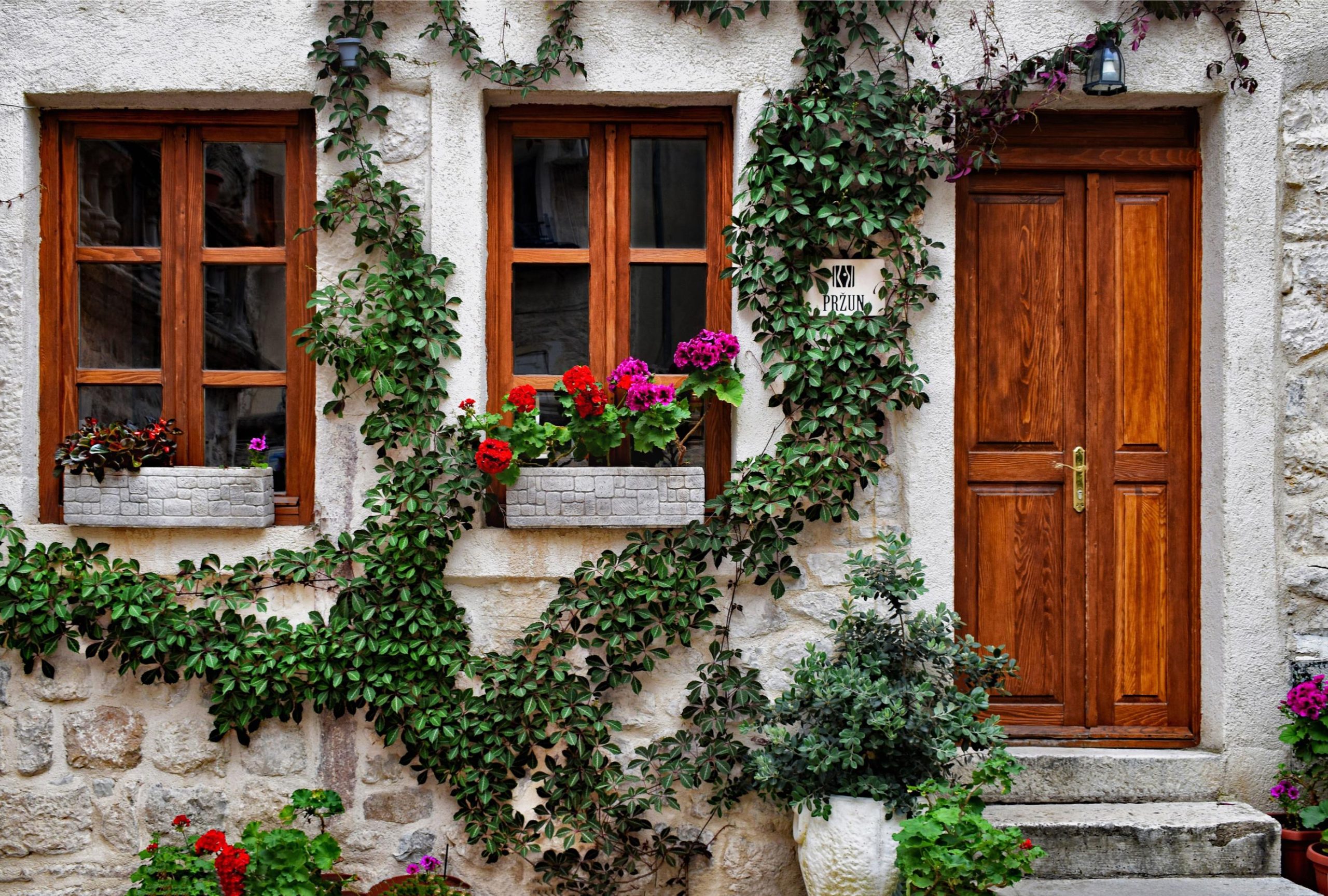
If you want a realistic plan, here is how a focused two-day push can actually look. Friday night, make the shopping list and order or pick up what you need. Saturday morning, handle the cleaning and trimming so you are working with a blank canvas. Saturday afternoon, tackle the architectural swaps — numbers, light fixture, door paint, hardware. Sunday is for plants, pots, mulch, and arranging everything into symmetrical pairs and groups of three or five.
A sample budget under three hundred dollars might look like this:
- Two matching planters for the front door: $40
- Plants to fill them plus three shrubs for the beds: $75
- One gallon of exterior door paint and a small roller kit: $45
- New house numbers: $25
- New porch light fixture: $60
- Two bags of fresh mulch: $15
- Replacement door hardware or kick plate: $35
That is a completely different-looking house for less than the cost of a weekend getaway. And every item on that list is something a first-timer can install or plant without professional help.
Mistakes That Quietly Undermine Your Hard Work
Even with a solid plan, a few common missteps can cancel out the gains you’ve made and chip away at your curb appeal before you even realize it’s happening. Most of these aren’t dramatic failures — they’re small decisions that look harmless on day one and slowly turn into regrets by month six. Watch for these as you go, and do a gut check before you commit to any purchase or planting spot.
- Planting things too close to the foundation, which looks fine now but crowds the house in two years and can even push moisture against siding or trap debris behind overgrown shrubs
- Choosing plants that need full sun and putting them in shade, or the reverse, then blaming yourself when they go leggy, scorch, or simply refuse to bloom
- Mixing too many competing colors in the entryway palette, especially when the door, planters, house numbers, and cushions are all fighting for attention instead of working as a team
- Buying one of everything at the garden center instead of multiples, which creates a scattered, collector’s-garden look rather than the calm, intentional repetition that reads as polished from the curb
- Leaving old fixtures in place next to shiny new ones, which makes the old ones look worse — a crisp new light next to a tarnished house number or a faded mailbox draws the eye straight to what you didn’t update
- Forgetting the backyard-facing side of the fence or gate that neighbors actually see, along with the side yard, the trash enclosure, and the view from the sidewalk looking back toward the house
- Overlooking scale, like tiny planters flanking a tall door or a single small wreath lost on a wide porch
- Skipping maintenance basics — edging, weeding, sweeping the walkway — which quietly undoes hundreds of dollars of upgrades
A quick second walk-around after you finish, ideally the next morning with fresh eyes and a cup of coffee in hand, will catch most of these before they settle in. Snap a few photos from across the street too, since a camera tends to reveal imbalances and clutter your eye politely edits out in person. That ten-minute review is often the single most valuable step in figuring out how to improve curb appeal on a budget, because it saves you from paying twice to fix the same corner.
Conclusion
Improving the look of your home’s exterior is not about money, and it is not about taste you think you lack. It is about paying attention. Once you start noticing the small details — the faded numbers, the lopsided planter, the single scraggly shrub where there should be three — you start seeing opportunities everywhere, and most of them cost less than dinner out.
Plants give you softness, color, and growth over time. Architectural details give you structure, personality, and the sense that someone lives there who cares. Symmetry ties it all together, and basic maintenance keeps the whole picture crisp. You do not need to do everything at once, and you do not need to do it perfectly. One weekend, one planter, one coat of paint on the front door — that is enough to shift how your home feels from the street.
The best part is that none of this is permanent. If you hate the door color next spring, repaint it. If a plant dies, replace it with something hardier. Treat your exterior the way you would treat a room inside — something you adjust, refine, and enjoy over the years rather than a one-shot project. That mindset, more than any single purchase, is what turns an ordinary house into one people slow down to look at.